From May 16 to 17, the 34th Annual Academic Conference of the Chinese Society of Foreign Economic Theory, themed “Foreign Economic Theories and the Construction of an Independent Chinese Economics Knowledge System”, was successfully held at Liaoning University (LNU). The conference was jointly hosted by the Chinese Society of Foreign Economic Theory and LNU, and co-organized by several institutions including the Research Center for Marxist Economic and Social Development of the Chinese Academy of Social Sciences (CASS), the Department of Marxist Principles at the CASS Institute of Marxism, the School of Economics at LNU, the LNU Northeast State-Owned Enterprise Revitalization Research Institute, the LNU Economics Top Talent Training Base, and the Jilin Provincial Das Kapital Research Society. Over 60 higher education institutions and research organizations, such as Peking University, Tsinghua University, Renmin University of China, the Chinese Academy of Social Sciences, Nankai University, Sichuan University, Wuhan University, Shanghai University of Finance and Economics, Huazhong University of Science and Technology, Jilin University, Sun Yat-sen University, Capital University of Economics and Business, Yunnan University, and LNU, were represented. Experts and scholars shared their latest research findings on foreign economic theories and the development of an independent Chinese economics knowledge system.
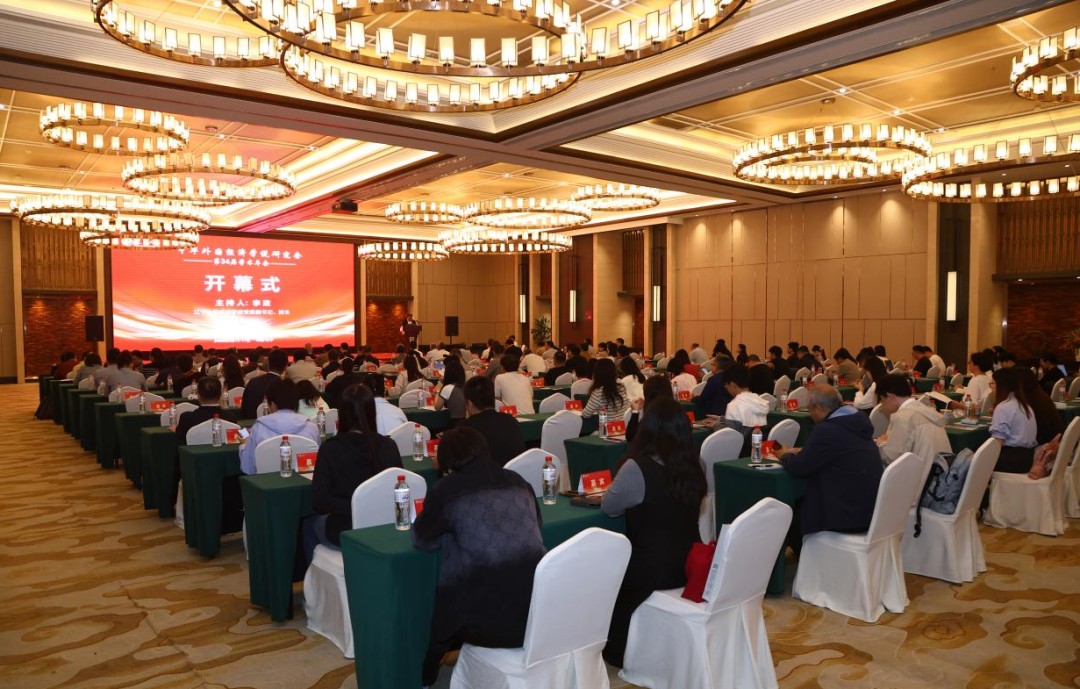
Opening Ceremony
At the opening ceremony held on the morning of May 16, Professor Yu Miaojie, President of LNU, and Fellow of the Royal Economic Society, along with Professor Hu Leming, President of the Chinese Society of Foreign Economic Theory, delivered speeches. The ceremony was presided over by Professor Li Zheng, Dean of the School of Economics at LNU.
On behalf of LNU, Professor Yu Miaojie extended a warm welcome to all attending experts and scholars. He provided a systematic overview of the university’s recent landmark achievements in building its economics disciplines and constructing an independent economics knowledge system, highlighting its academic foundation, disciplinary strengths, faculty influence, social services, international exchanges, and hosted journals. Subsequently, Professor Yu offered an in-depth explanation regarding why, what, and how to construct an independent Chinese economics knowledge system. He emphasized that the core lies in grounding the effort in the institutional strengths of the trinity of an effective market, a capable government, and a strong ruling party. This involves deeply grasping the operational laws of the socialist market economy with Chinese characteristics and expanding the theoretical scope and explanatory framework of political economy research. He further proposed coordinated efforts across textbook development, classroom teaching, scientific research, social service, and international communication to continuously enhance the originality, systematic nature, and global influence of Chinese economic theory, thereby contributing LNU’s wisdom and strength to accelerating the construction of this knowledge system.
In his address, Professor Hu Leming noted that since the reform and opening-up, the scope of China’s economics research has continuously expanded, demonstrating robust academic vitality and responsiveness to real-world issues. He stressed that advancing the construction of an independent Chinese economics knowledge system requires moving from problem-solving to knowledge governance. This entails promoting the integration of fragmented knowledge chains, emphasizing terminology, principles, and systemic construction, reforming academic evaluation mechanisms, and encouraging theoretical innovation and knowledge synthesis. Simultaneously, it is crucial to facilitate the creative transformation of policy discourse into academic discourse, striving to form a mature theoretical system capable of explaining Chinese practice, guiding China’s development, and engaging in global dialogue.
Plenary Sessions
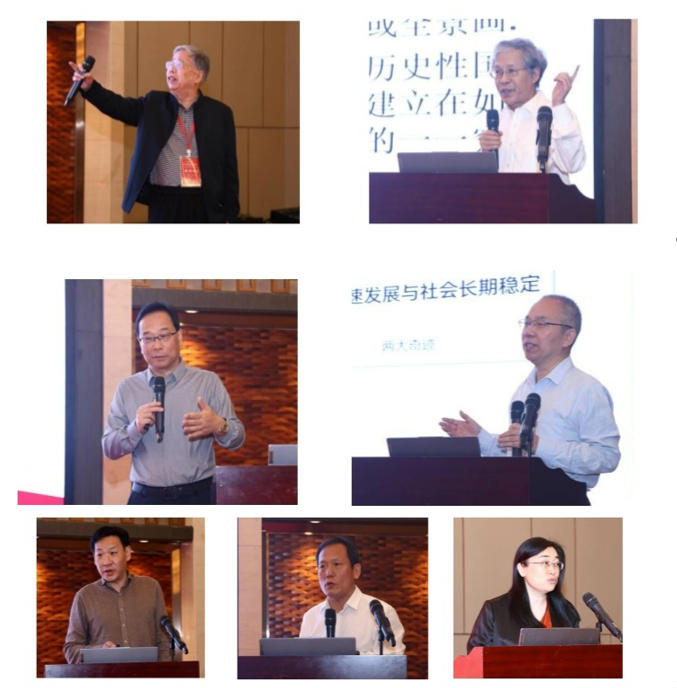
First Plenary Session (Morning, May 16): Professor Yan Pengfei (Wuhan University), Professor Yang Chunxue (Capital University of Economics and Business), Professor Zhao Changwen (Sun Yat-sen University), Professor Zhang Jianhua (Huazhong University of Science and Technology), Professor Yang Hutao (CASS Institute of Economics), and Professor Li Zheng (LNU) delivered speeches titled respectively: Research on the Main Thread of Economic Thought History and Methods for Reading Marxist Classics, Historical Lessons of the German Historical School, The Evolutionary Logic of the Industrial Revolution and China's Focal Points, Reflections on Constructing an Independent Knowledge System of Chinese Development Economics, Toolbox Science, Time Scales, and Category Refinement: An Epistemological Path for Building an Independent Chinese Economics Knowledge System, and Reflections on the Relationship Between the Independent Chinese Economics Knowledge System and Foreign Economic Theories. This session was chaired by Researcher Yang Jing, Vice President and Secretary-General of the Society, and Researcher at the CASS Institute of Marxism.
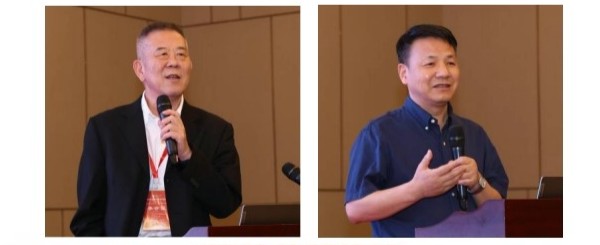
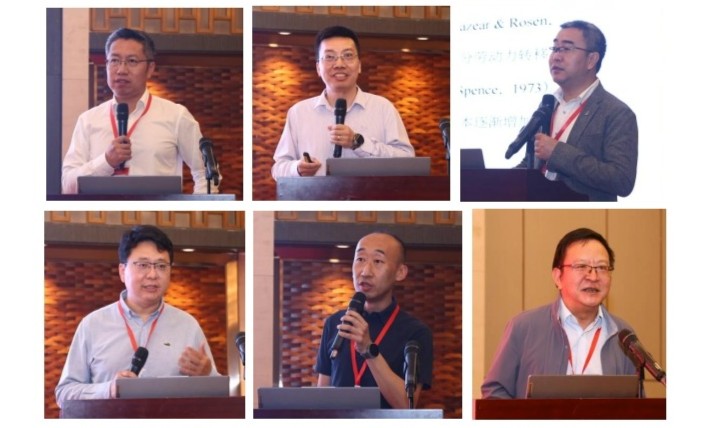
Second Plenary Session (Morning, May 16): Professor Tang Jie (The Chinese University of Hong Kong, Shenzhen), Professor Ye Chusheng (Wuhan University), Professor Zhu Guoping (Jilin University of Finance and Economics), Professor Ni Hongfu (University of Chinese Academy of Social Sciences), Associate Professor Li Bangxi (Tsinghua University), Professor Zhao Feng (Renmin University of China), and Professor Qiao Xiaonan (Nankai University) spoke on topics including: From “Policy Support” to “Institutional Evolution”: A Chinese Economics Explanation for the Rise of China’s New Energy Vehicle Industry——Based on the Sinicization and Modernization of Marxist Political Economy, Reconstructing Development Economics with New Quality Productive Forces: A New Dual-Economy Analytical Framework Based on Chinese Practice, The Theoretical Logic of Medium-and Long-Term Capital Formation in Cultivating Agricultural New Quality Productive Forces, Constructing an Independent Knowledge System of Chinese Applied Economics in the New Era, Manufacturing Involution, Types of Technological Progress, and High-Quality Economic Development: A Marx-Sraffa Interpretation, The Strategy of Self-Reliance and Strength in Science and Technology and Its Transcendence of Capitalist Digital Hegemony, and Mathematical Methods and the Construction of an Independent Chinese Economics Knowledge System. This session was chaired by Professor Zhang Lin, Vice President of the Society and Dean of the School of Economics at Yunnan University.
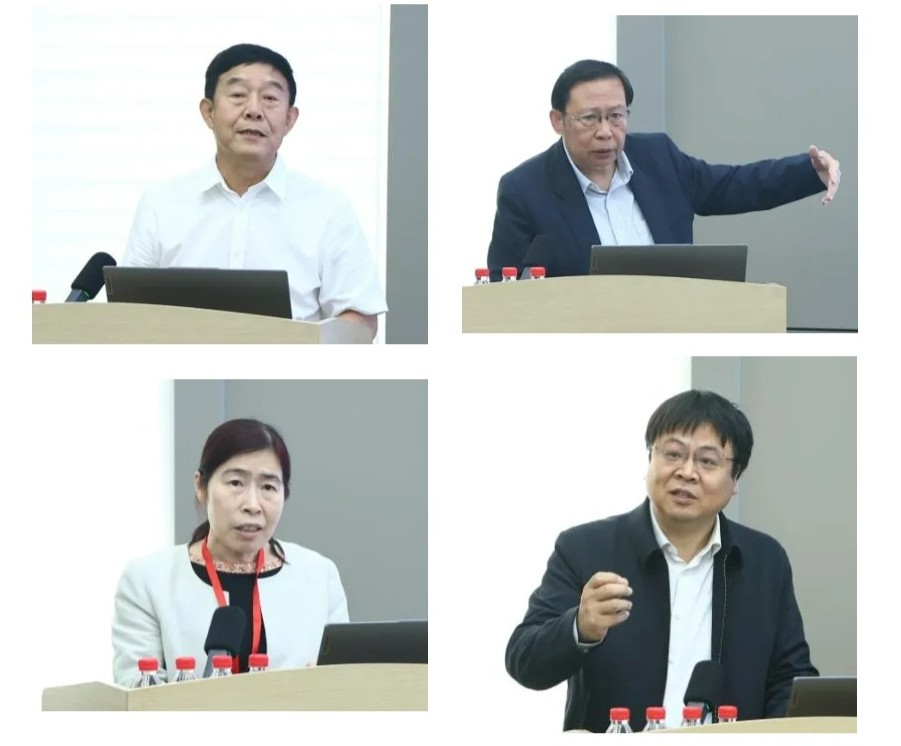
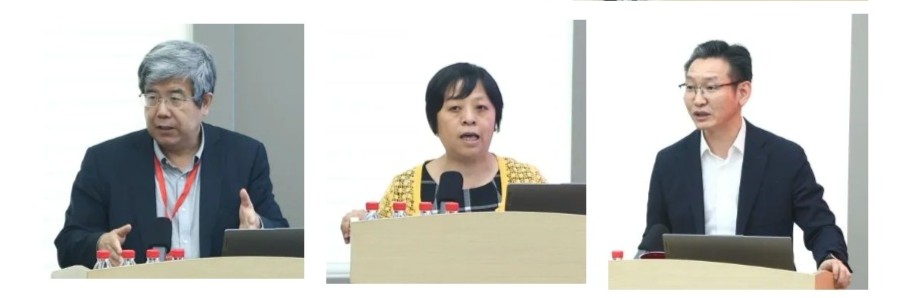
Third Plenary Session (Morning, May 17): Professor Jia Genliang (Renmin University of China), Professor Zhang Xian (Sichuan University), Professor Zou Wei (Wuhan University), Professor Liu Gang (Qufu Normal University), Professor Zhou Jianbo (Peking University), and Professor Xu Zerong (Capital University of Economics and Business) presented papers such as: Innovation in Western Heterodox Economics and New Macroeconomics, Anglo-Portuguese Trade and Ricardo’s Theory of Comparative Cost, Where Are China’s Opportunity Areas? Measurement and Analysis of Intergenerational Upward Mobility Based on Micro Census Data, The Sinicization of Propositions within the Das Kapital System and Its Contemporary Value, Multi-Ethnic Integration and Regional Economic Development: A Case Study of the Rise and Development of Wuchang Rice, and Chandler’s Market Economy Theory. This session was chaired by Professor Ding Xiaoqin, Deputy Secretary-General of the Society and Vice Dean of the School of Marxism at Shanghai University of Finance and Economics.
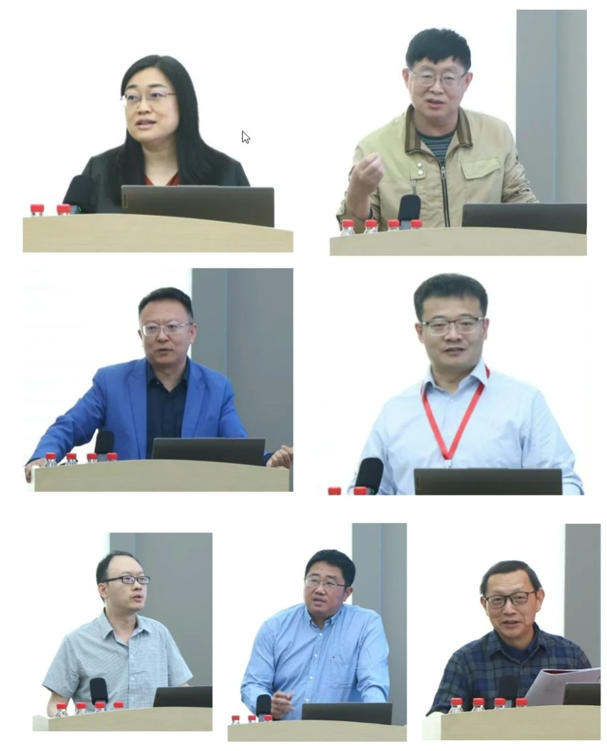
Fourth Plenary Session (Morning, May 17): Researcher Yang Jing (CASS Institute of Marxism), Professor Zhan Minghua (Guangdong University of Foreign Studies), Professor Dong Baomin (LNU), Professor Dai Shuanping (Jilin University), Associate Professor Li Lili (Renmin University of China), and Assistant Researcher Xu Haoqing (CASS Institute of Economics) spoke on themes including: The “Smythe-Fuchs” Theoretical Genealogy in Communication Political Economy: A Reflection Based on Marxist Intellectual History, Trade Structure Evolution and Optimal Monetary Policy, The Ming-Qing Practical Learning Tradition and Marxist Economic Thought, The Logic of Industrial Policy for Traditional Industry Transformation and Development, How Adam Smith Became the “Father of Economics”, and Understanding Innovation: Based on Contributions Leading to the 2025 Nobel Memorial Prize in Economic Sciences. This session was chaired by Professor Wu Shanlin, Vice President of the Society and Professor at the School of Economics, Shanghai University of Finance and Economics.
Parallel Sub-Forums
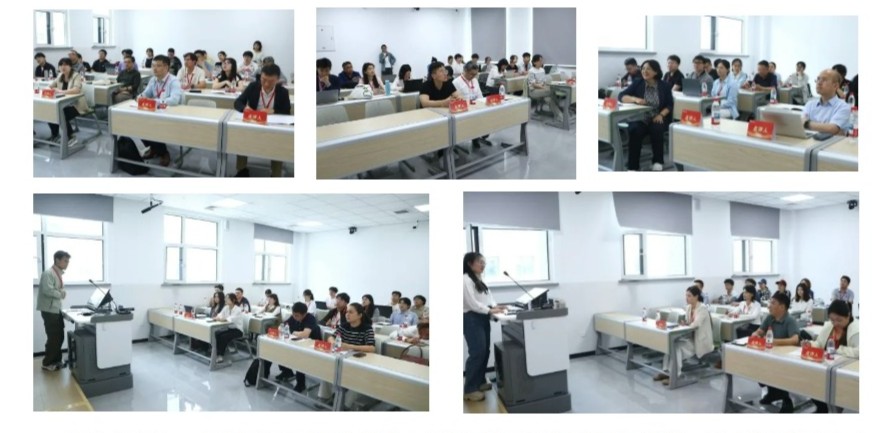
On the afternoon of May 16, five parallel sub-forums were held at the Economics Department Building on LNU’s Puhe Campus. Editors from academic journals, alongside experts and scholars from universities and research institutes, chaired the sessions and provided commentary on the research presented. The sub-forums covered diverse themes: History of Foreign Economic Thought and Schools of Thought; Foreign Marxist Economics and the Construction of an Independent Chinese Knowledge System; New Quality Productive Forces and Modern Industrial Systems; High-Quality Development and Livelihood Security; Digital Economy and Artificial Intelligence. Participants engaged in in-depth discussions, fostering vibrant exchanges.
Academic Journal Forum
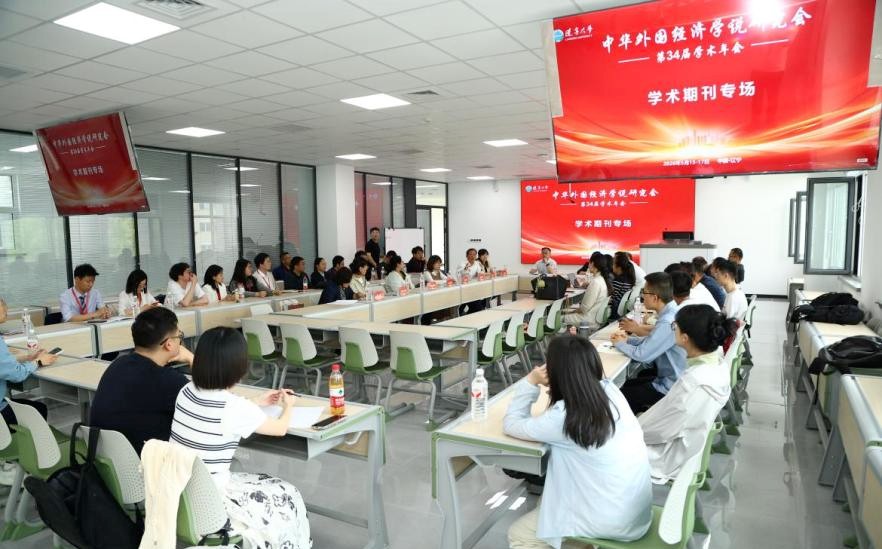
Also on the afternoon of May 16, editors and leading figures from prominent journals including Economic Science, Economic Review, Economic Theory and Business Management, Study & Exploration, Contemporary Economic Research, Social Science Journal, Political Economy Review, Shanghai Journal of Economics, Journal of the Party School of the CPC Central Committee (National Academy of Governance), Journal of Political Economy Quarterly, Journal of the History of Economic Thought, and Industrial Technology & Economy convened. They shared insights into their publications’ focus, key topic areas, and academic writing standards, offering valuable guidance to young scholars on navigating academic frontiers, improving paper quality, and facilitating publication. The forum was co-chaired by Researcher Yang Jing and Professor Zhang Guanghui, Vice Dean of the School of Economics at LNU.
Sub-Forum Reports
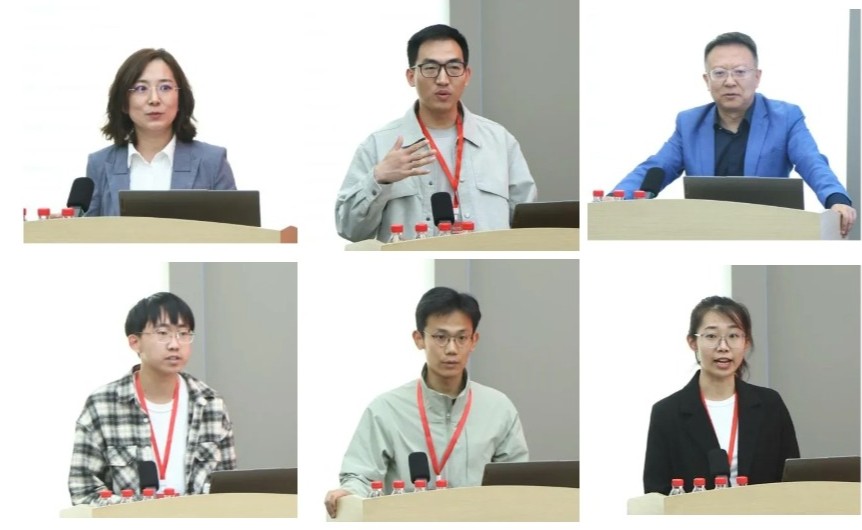
On the morning of May 17, reports on the sub-forums were delivered. Teacher Tang Wanning from Dongbei University of Finance and Economics, Professor Dong Baomin from LNU, student Li Wenyuan from Inner Mongolia Minzu University, student Han Feng from Qufu Normal University, and student Chen Mingzhu from LNU presented summaries of the five parallel sub-forums. This session was chaired by Associate Professor Kong Xiao, Office Director of the Economics Department at LNU.
Closing Ceremony
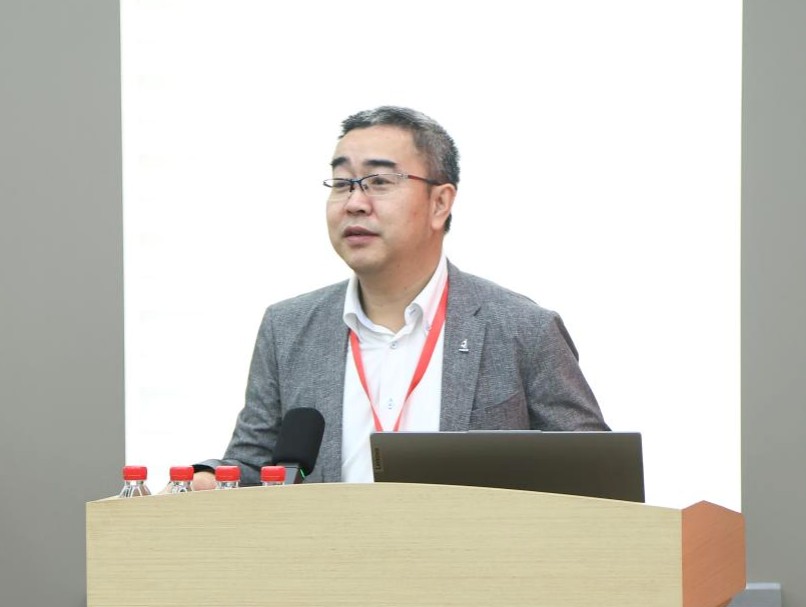
During the closing ceremony, Associate Professor Li Bangxi, representing the next host institution, Tsinghua University, detailed the plans for the 35th Annual Conference. He pledged full commitment to preparing for next year’s event, ensuring excellence in agenda design, academic quality, and logistical support. The ceremony was presided over by Professor Zhang Guanghui.
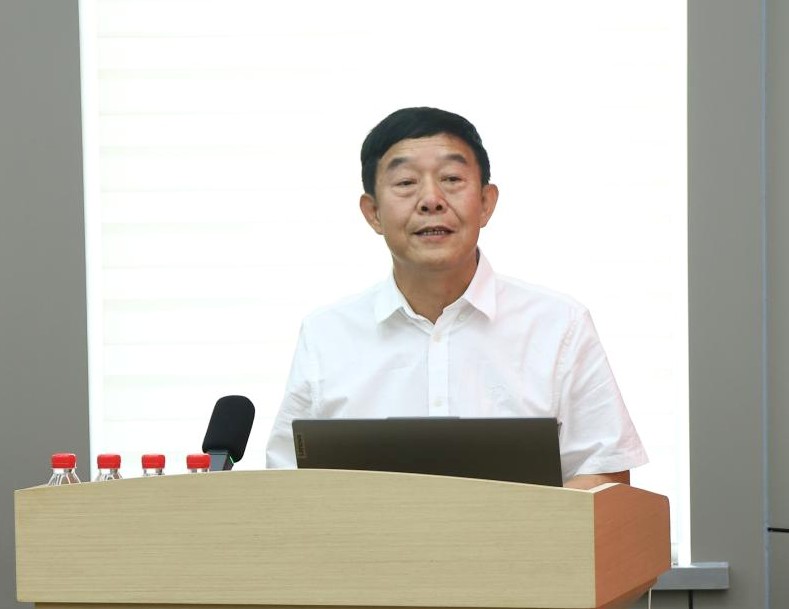
In his concluding remarks for the conference, Professor Jia Genliang highlighted that the event remained tightly focused on the core theme of integrating foreign economic theories with the construction of an independent Chinese economics knowledge system, resulting in lively discussions and substantial outcomes. He specifically noted the active participation of young scholars in the sub-forums, whose innovative thinking and solid foundational skills injected new vitality into the field and helped cultivate future talent.
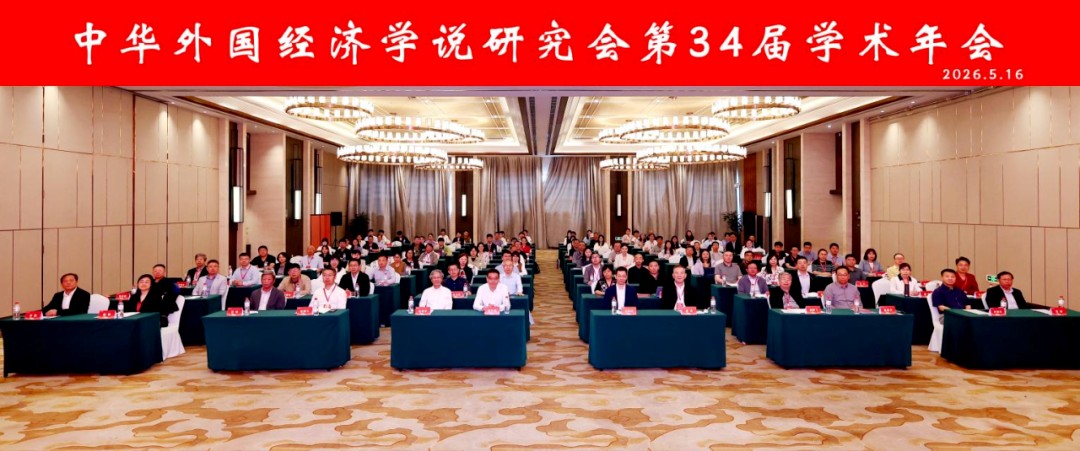
This annual academic conference not only provided significant theoretical support for advancing the inheritance and innovation of foreign economic theories and the systematic construction of an independent Chinese economics knowledge system but also fostered academic consensus and contributed intellectual strength to promoting high-quality economic development in China in the new era. It fully demonstrated the mission of contemporary economic research: grounding itself in Chinese practice, focusing on real-world problems, responding to the demands of the times, and serving national development.