On September 19, the International Conference on Enterprise Transformation and International Education Collaboration in the AI Era, along with the CIMA Signing Ceremony, was held at the Puhe Campus of Liaoning University (LNU). The conference was hosted by LNU and organized by the Sunwah International Business School (SWIBS) of Liaoning University and the Shenyang Federation of Social Science Associations. Experts, scholars, and faculty and student representatives from government departments including the Department of Finance of Liaoning Province and the Shenyang Federation of Social Science Associations, universities including De Montfort University in the UK, Dongbei University of Finance and Economics, Shenyang University, and Shenyang Normal University, as well as international professional bodies such as ACCA and CIMA, gathered at the event for multidimensional academic exchanges on enterprise transformation, international education collaboration, and industry-education integration in the AI era. Li Yupeng, Vice President of LNU, attended and addressed the opening ceremony, which was presided over by Wang Xiaohui, Dean of the SWIBS.
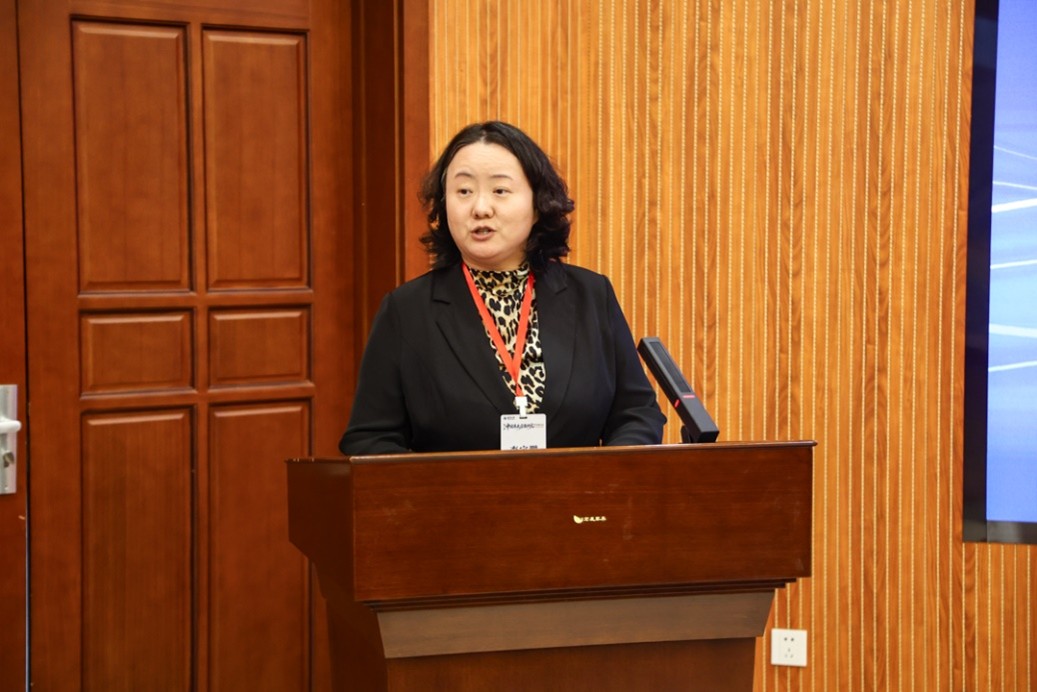
In her address, Li Yupeng noted that AI is reshaping global industries, business models, and higher education. The digital transformation of enterprises has driven rising demand for versatile business talent with technical skills, business acumen, and global vision. Industry-education integration and science-education integration have become key links connecting the education, talent, and industry chains. She hoped that the high-level dialogue platform built by this conference would enable all parties to fully exchange ideas and share practical results, jointly explore new ideas and models for enterprise transformation and international education cooperation in the AI era, and help industry-education integration and Sino-foreign cooperative education achieve high-quality development.
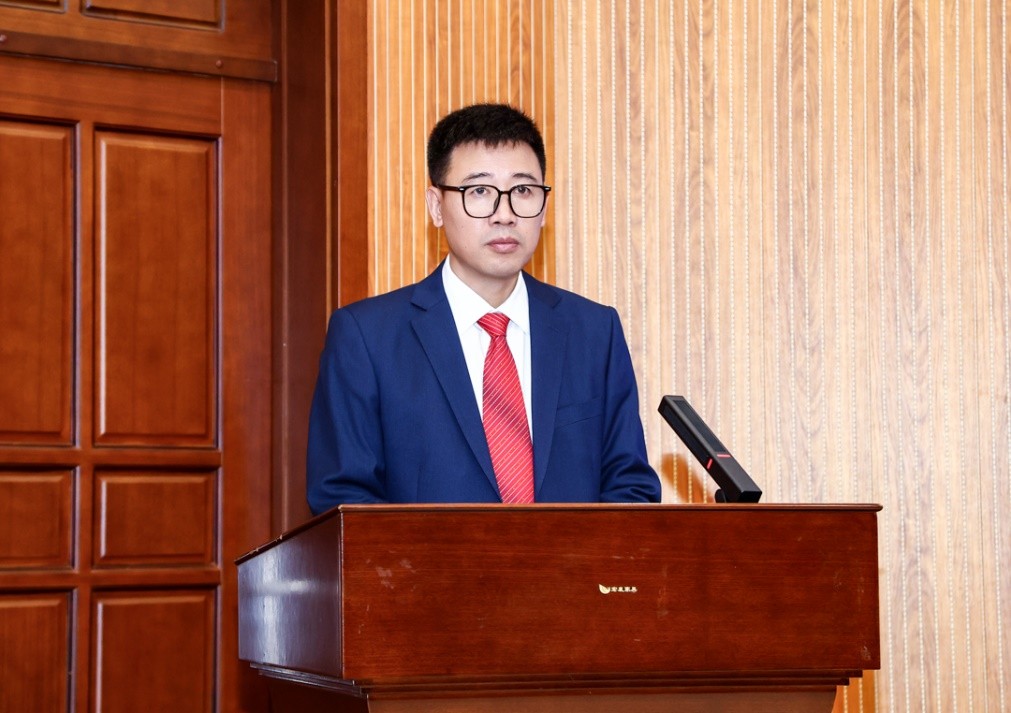
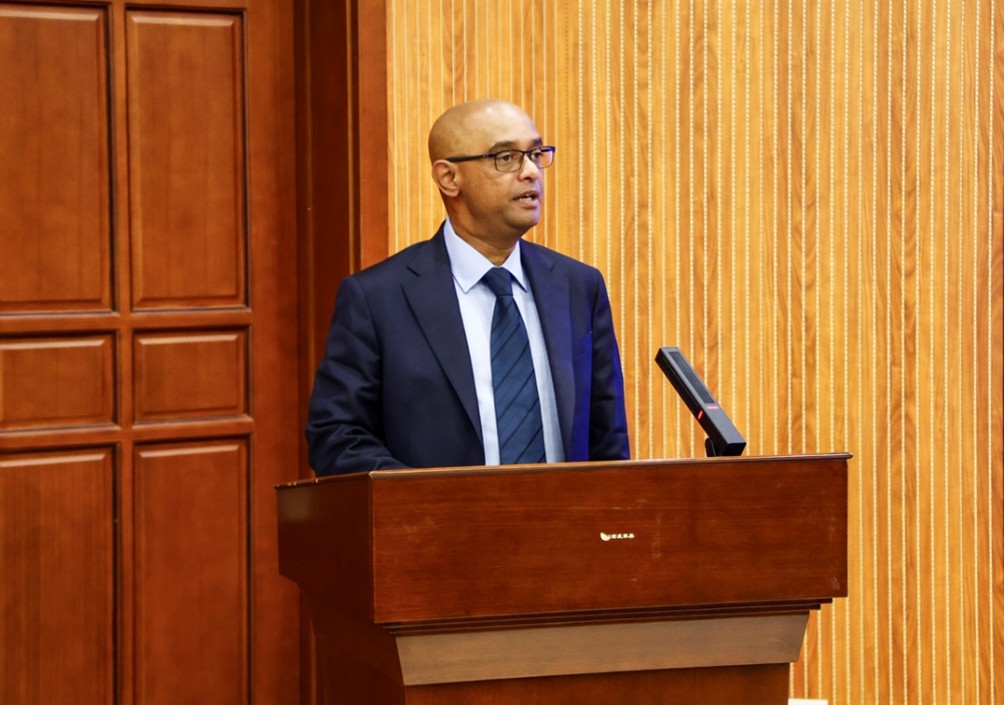
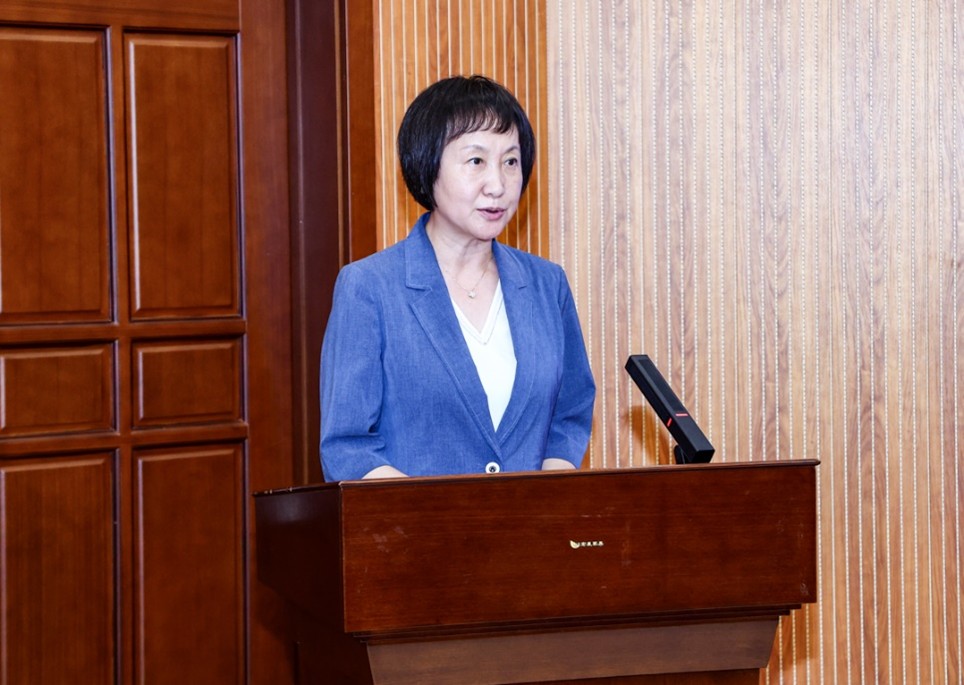
From the perspective of a social science think tank, Liu Yachao, Secretary General of the Shenyang Federation of Social Science Associations, analyzed the intrinsic logical connections among technological transformation, original aspiration of education, multi-party collaboration, and industrial development amid the AI wave, and fully recognized the practical value of the conference as a vehicle for cross-sector exchanges. Sudarshan Pillalamarri, representative of De Montfort University, drew on practical experience to review the accumulated outcomes of China-UK cooperation in business education and expressed his hope to promote bilateral academic exchanges. Zhang Ying, Director of the Accounting Division of the Department of Finance of Liaoning Province, analyzed the profound changes in the functional positioning of the accounting profession and talent competency requirements in light of the current digital reform of the accounting industry in Liaoning Province. She highlighted the market’s pressing demand for high-end accounting talent with both digital literacy and a global vision. She also expressed the expectation that the conference would inject momentum into the innovation and upgrading of accounting talent cultivation.
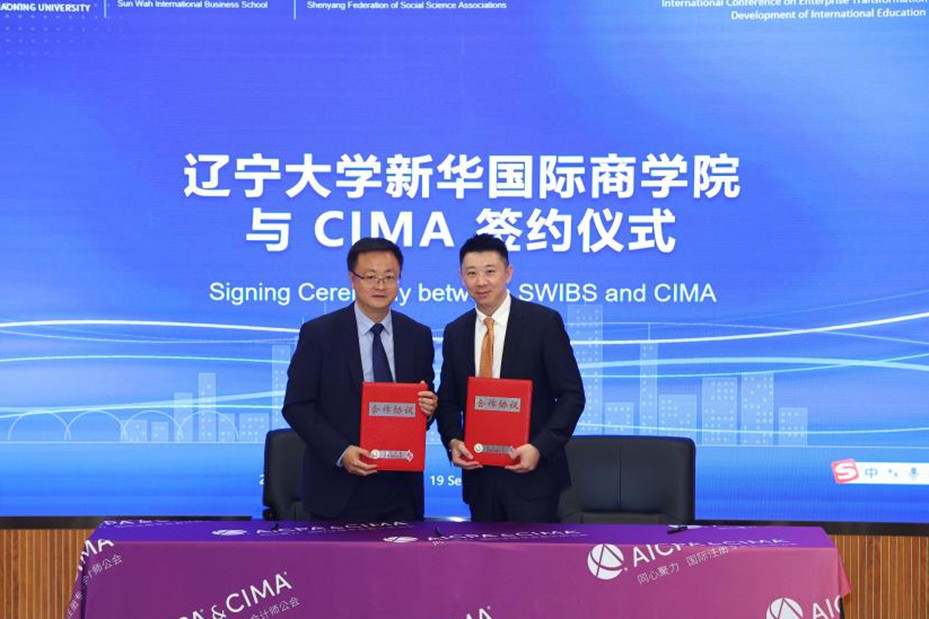
After the opening ceremony, a signing ceremony was held between SWIBS and the Chartered Institute of Management Accountants (CIMA). The two sides will engage in in-depth cooperation in joint course development, mutual recognition of qualifications, faculty training, and the development of practical platforms to jointly explore a new model for cultivating international and versatile accounting talent.
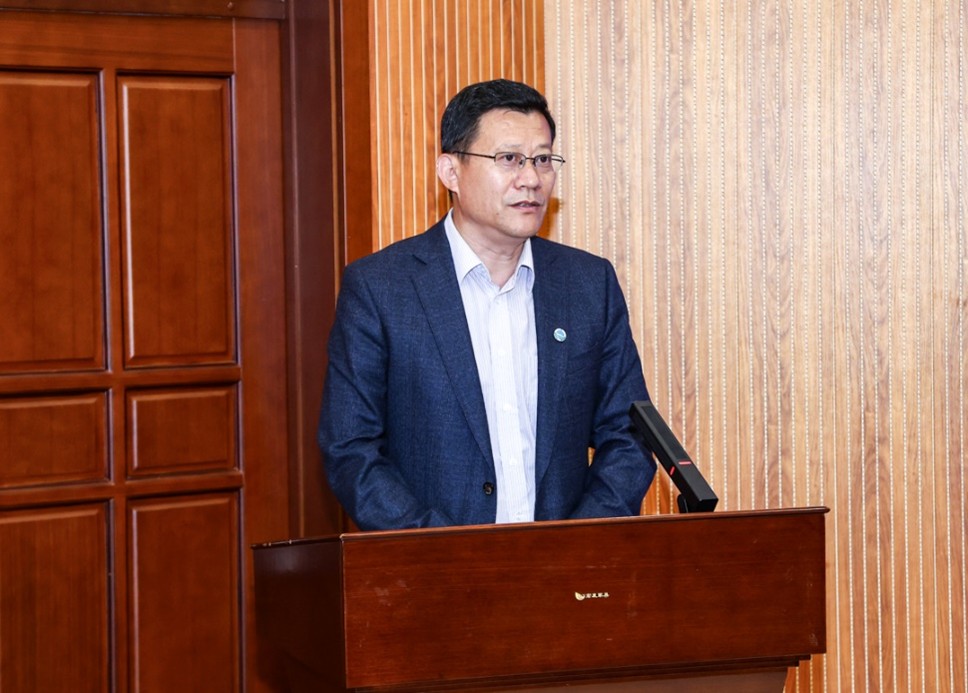
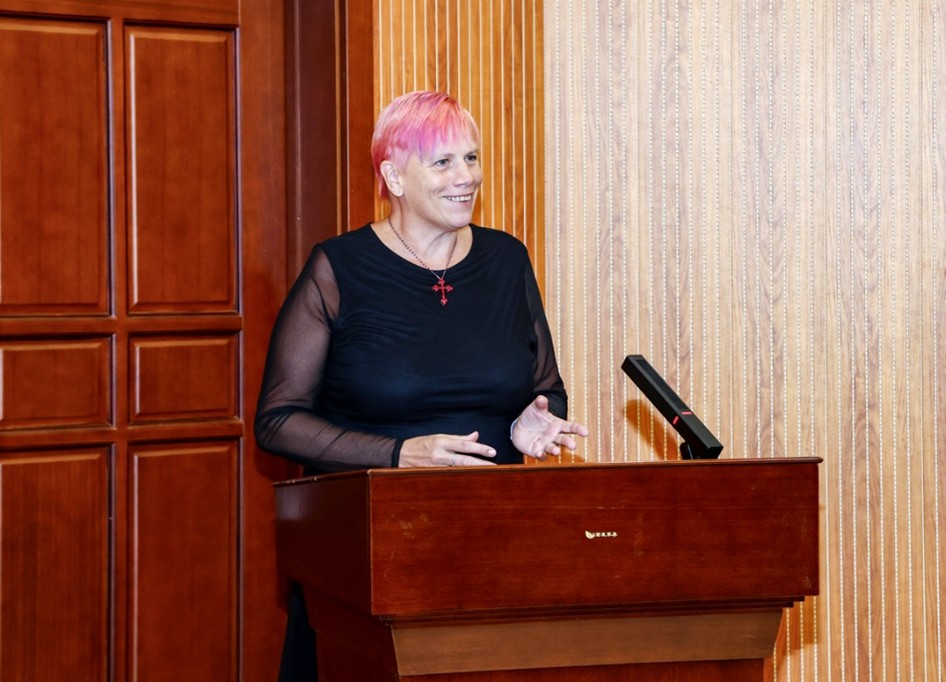
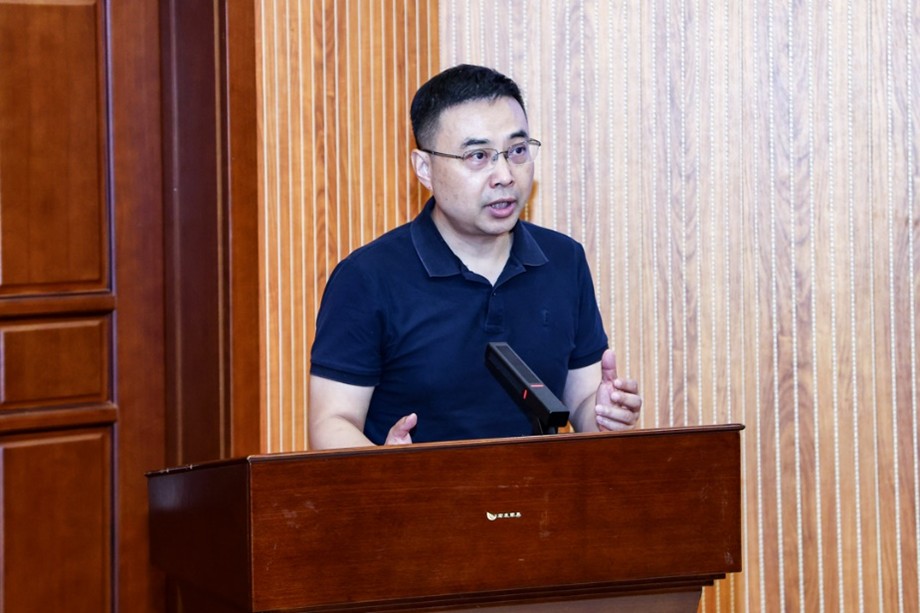
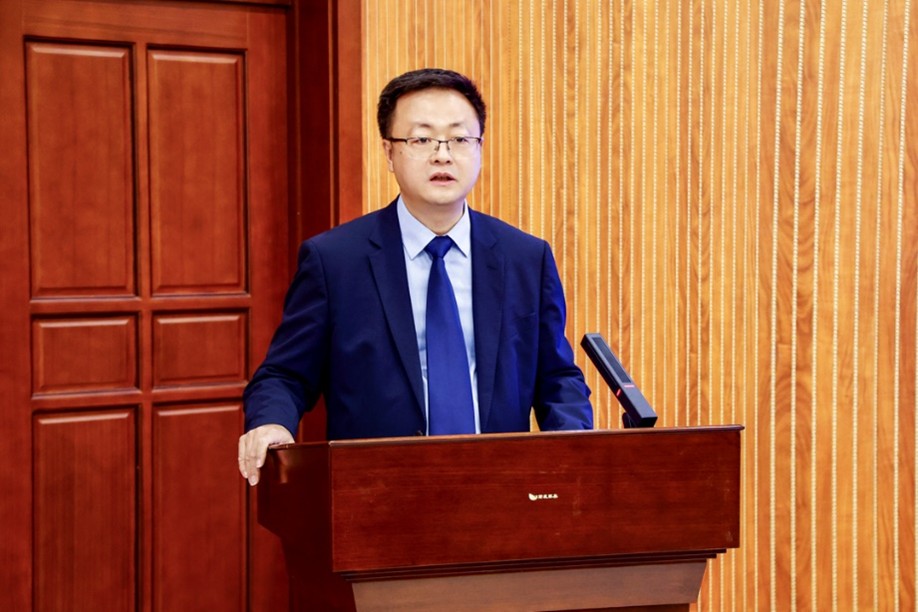
The keynote speech session was moderated by Wang Shulin, Director of the Marketing Department of SWIBS. Professor Shi Da from Dongbei University of Finance and Economics shared his insights on “How Publishing Resources Empower the High-Quality Development of Sino-Foreign Cooperative Education”. Linda Hickson, an ACCA examiner, focused on changes in the accounting profession and delivered a keynote report titled “Future-Ready Accountants: Navigating Global Collaboration and the Impact of AI Transformation”. Zhao Deqi, Dean of the Asia-Australia Business College of LNU, interpreted “the Governance Logic in China’s Economic Development” from a macro perspective. Wang Xiaohui, Dean of SWIBS, focused on the transformation of business education and discussed “Cultivating Business Talent in the AI Era: Capacity Building and Value Reshaping in Business Education”. Drawing on their respective research fields and combining current industry realities with practical experience in education, the experts exchanged cutting-edge ideas and sparked in-depth discussions among the participants.
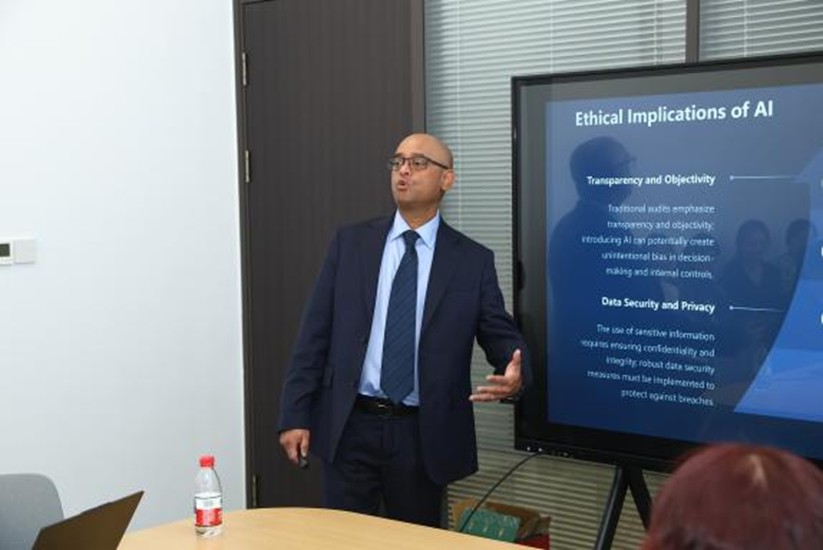
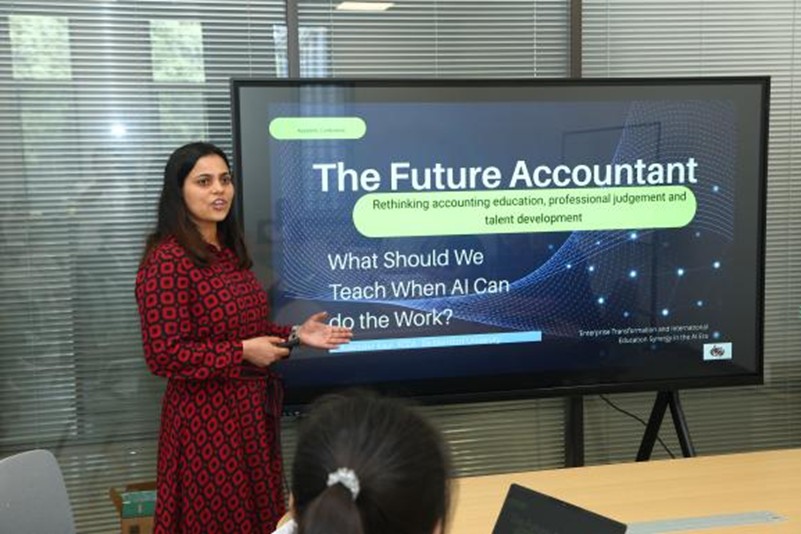
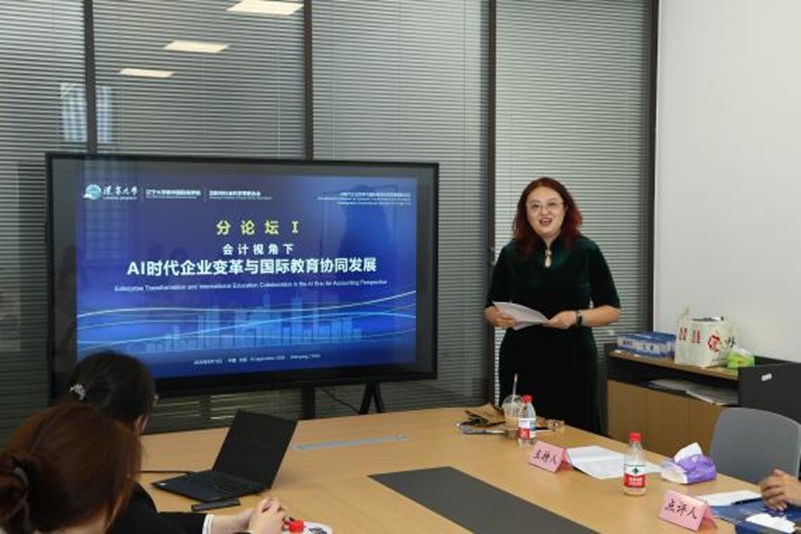
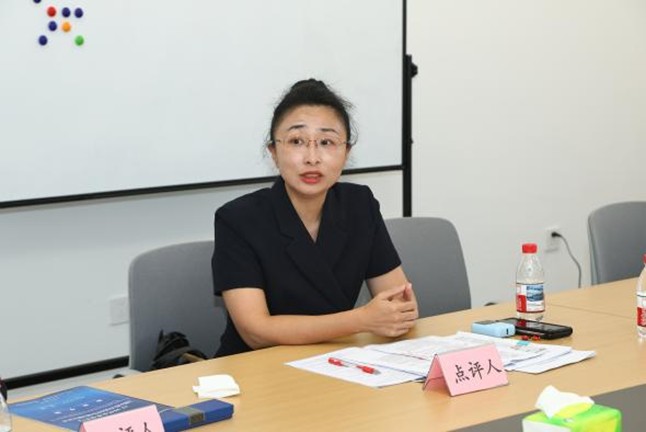
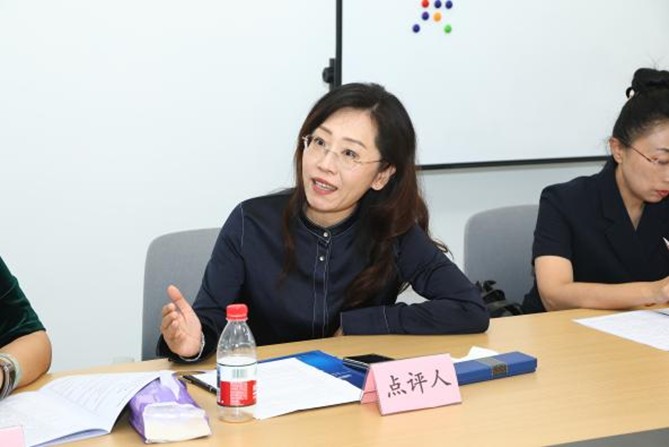
The conference featured two parallel sub-forums. Sub-forum 1 was themed “Enterprise Transformation and International Education Collaboration in the AI Era from an Accounting Perspective,” and was moderated by Wang Yiying, Director of the Accounting Department of SWIBS. Associate Professor Sudarshan Pillalamarri and Dr. Rawinder Kaur from De Montfort University, along with other experts and student representatives from inside and outside the university, presented their research findings in turn. Their presentations covered topics including audit development in the AI era, teaching reform for accounting talent, market-based allocation of data elements, AI applications in small and micro enterprises, supply chain finance, and corporate credit risk. Wang Yue, Dean of the Business School of Shenyang University, and Associate Professor Zhang Weiwei from LNU served as commentators for this sub-forum, commenting on each presentation and engaging in extensive interactive discussions.
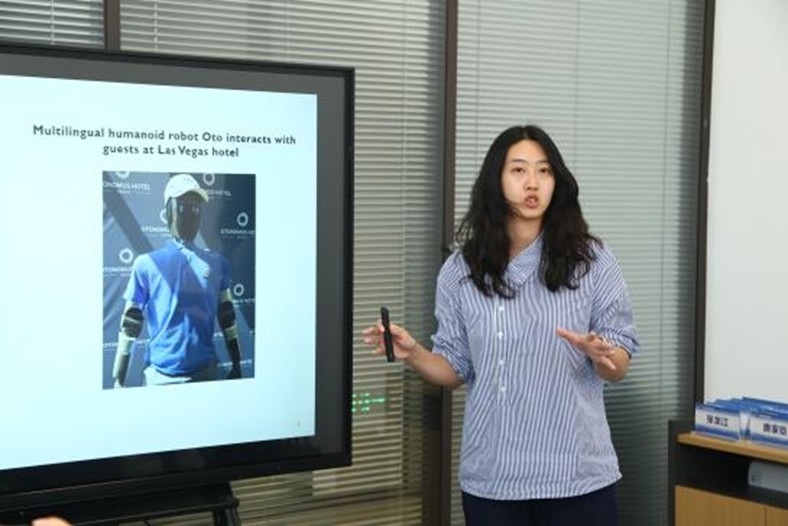
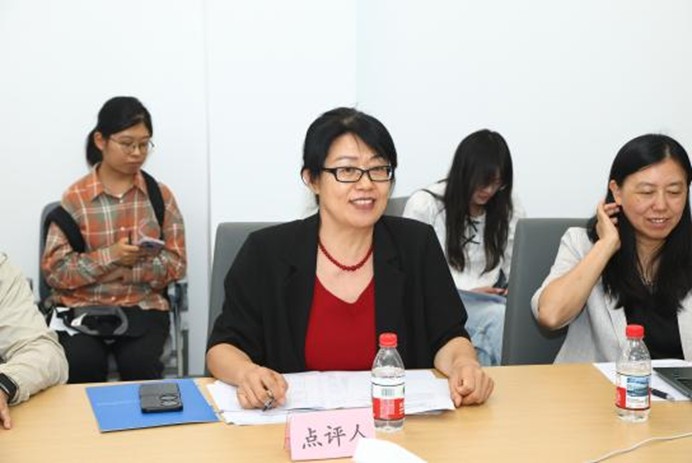
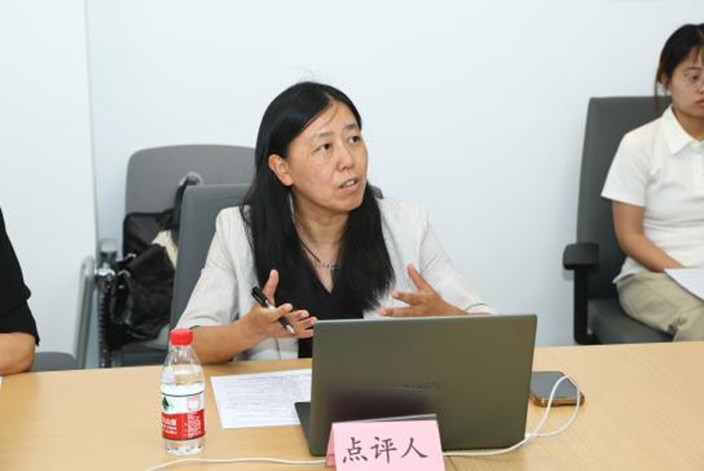
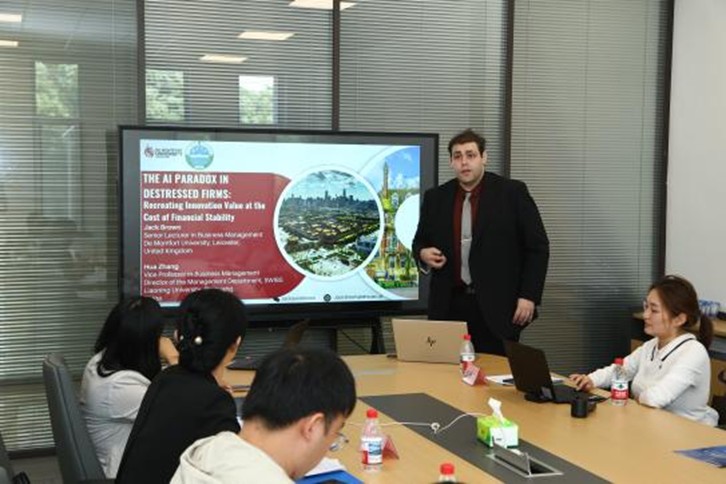
Sub-forum 2 was themed “Enterprise Transformation and International Education in the AI Era from a Management Perspective,” and was moderated by Zhang Hua, Director of the Management Department of SWIBS. Dr. Jack Brown from De Montfort University, Zhang Nan from LNU, and student representatives presented their academic findings on topics including the AI paradox in distressed enterprises, users’ emotional attachment to service robots, AI and corporate dynamic capabilities, employee innovative behavior, green bonds, and cross-team conflict management. Liu Chunzhi, Dean of the Business School of Shenyang Normal University, and Associate Professor Meng Jiajia from LNU served as commentators for this sub-forum, commenting on those presentations from the perspectives of research design, practical value, and localized implementation. Faculty and students engaged in full exchanges, creating a strong academic atmosphere.
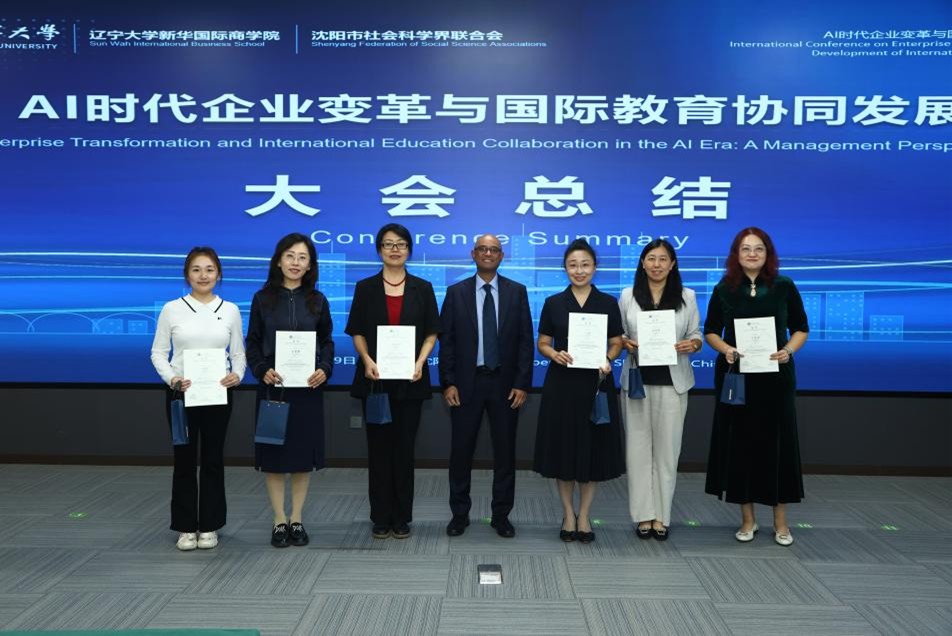
In the conference summary session, the day’s discussions were systematically reviewed, and certificates were presented to the speakers, commentators, and moderators. Participants agreed that in the face of industry transformation driven by AI, business talent cultivation cannot be achieved by universities alone, but requires coordinated, closed-loop collaboration across all sectors of society. Education and teaching should not only proactively embrace the digital-intelligent transformation, optimize the curriculum system, and reform assessment models to guide students in the appropriate use of AI tools, but also uphold the fundamental task of fostering virtue through education, attach importance to professional ethics, and protect independent thinking and professional judgment to avoid the risk of weakened thinking caused by over-reliance on AI.
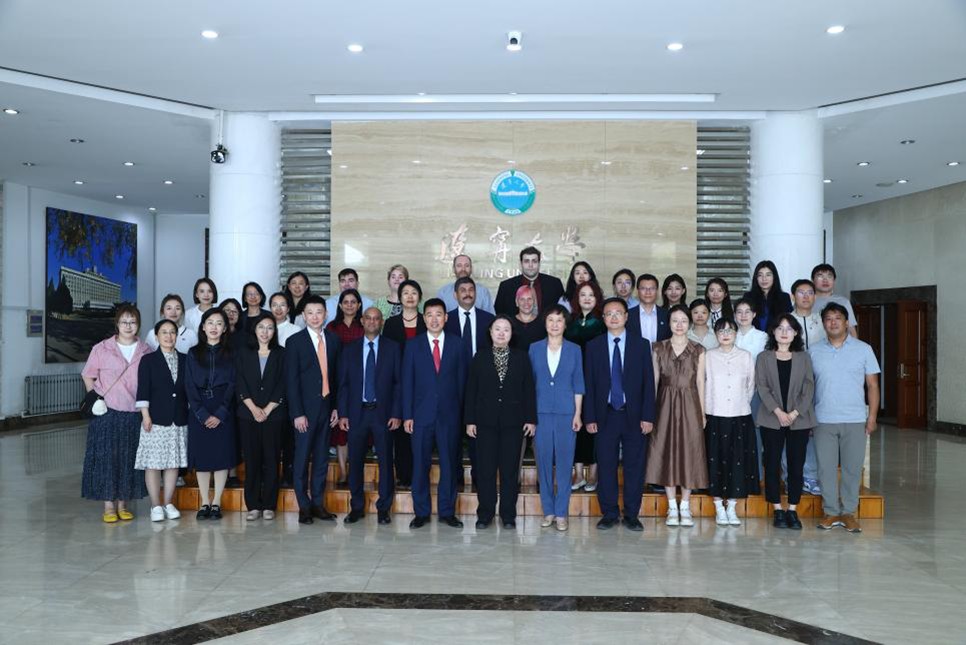
This conference fully leveraged the distinctive advantages of the SWIBS in Sino-foreign cooperative education, linked the education, talent, industry, and innovation chains, built a high-level exchange platform for the development of new business education and the cultivation of internationally minded and versatile professionals in finance and economics, and provided solid intellectual support for building digital Liaoning and fostering new quality productive forces.
Translated by: Zeng Xi
Edited by: Gao Mengdi, Liu Hanlin
Proofread by: Li Zhibin
Reviewed by: Jin Jinghua